Thesis: Design and Test Optimizations for Spacecraft Attitude Determination and Control Subsystems
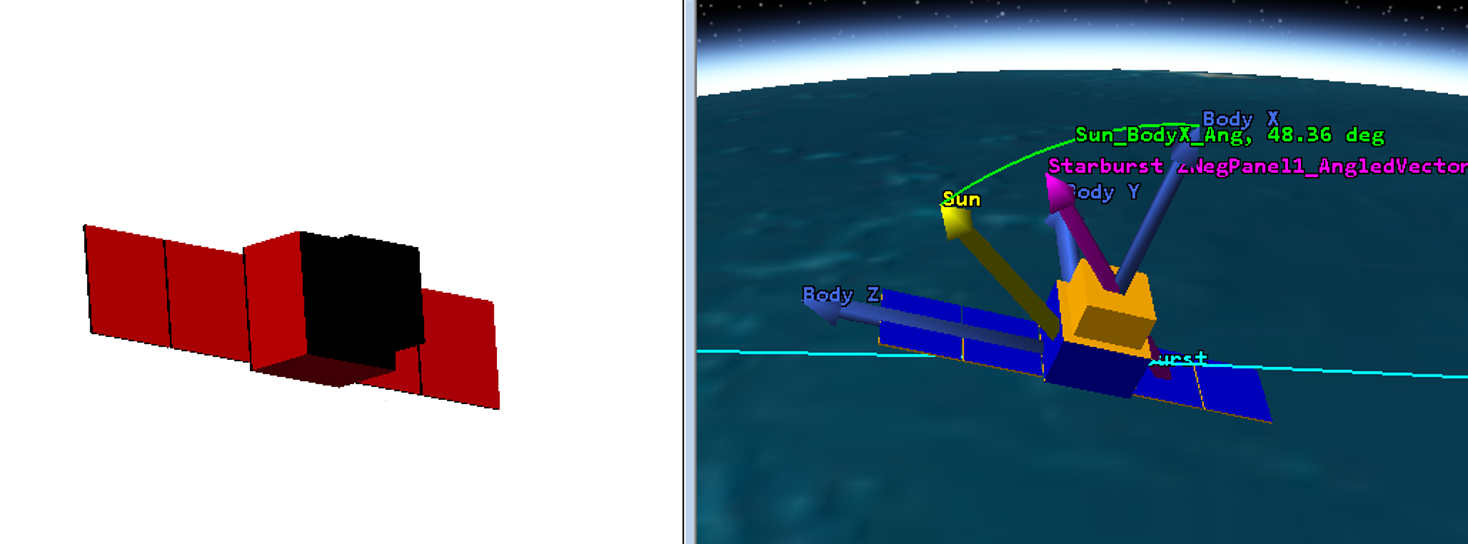
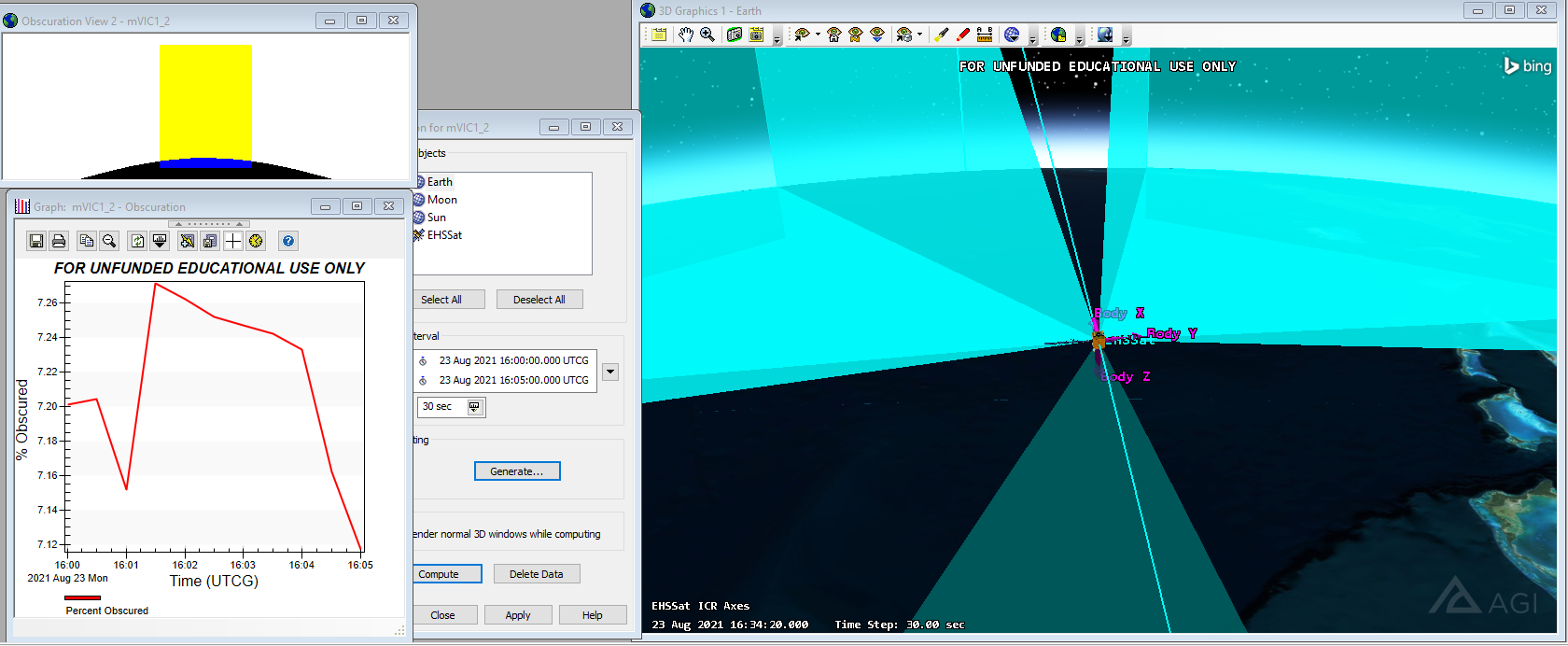
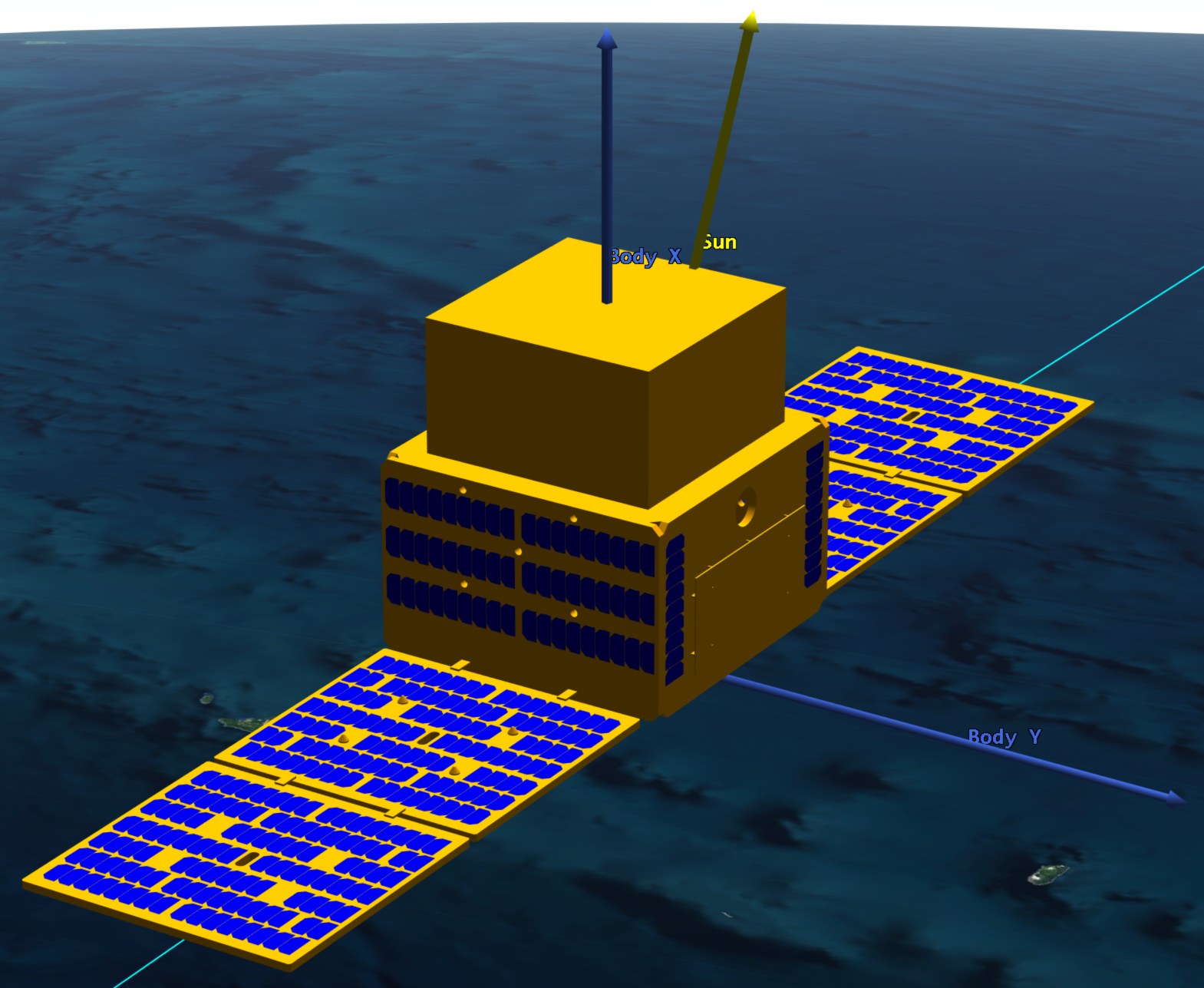
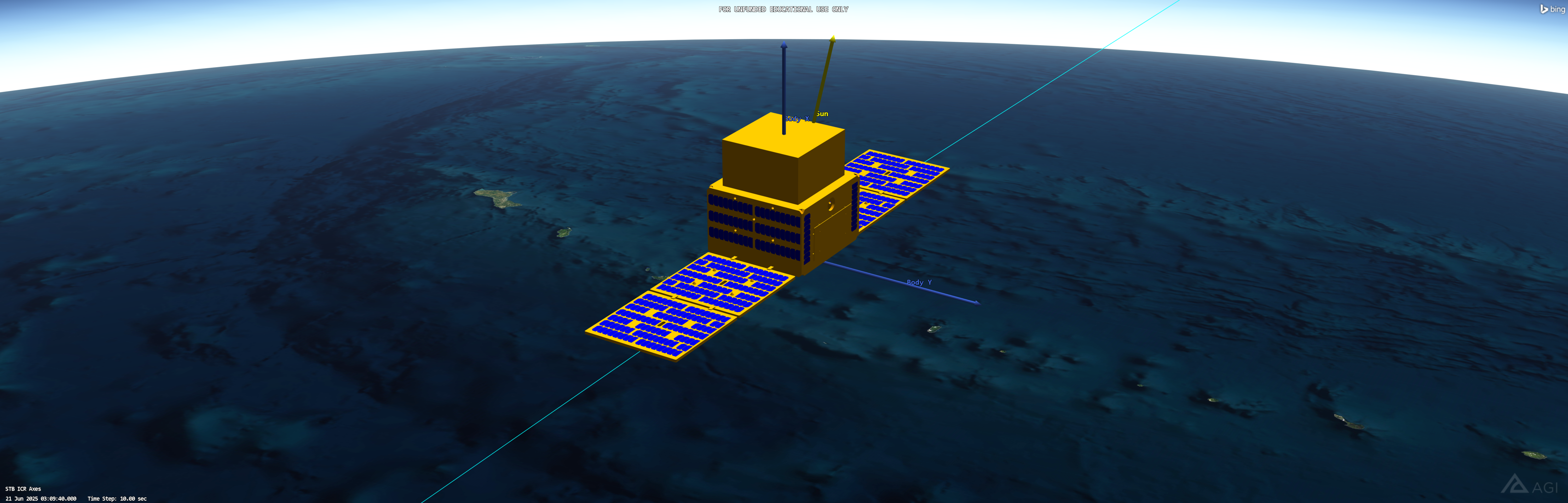
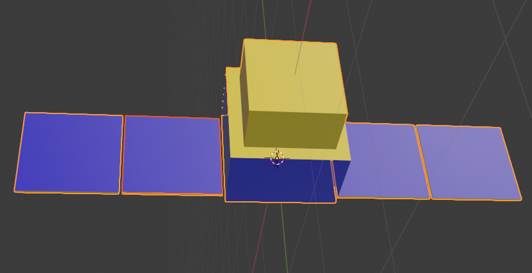
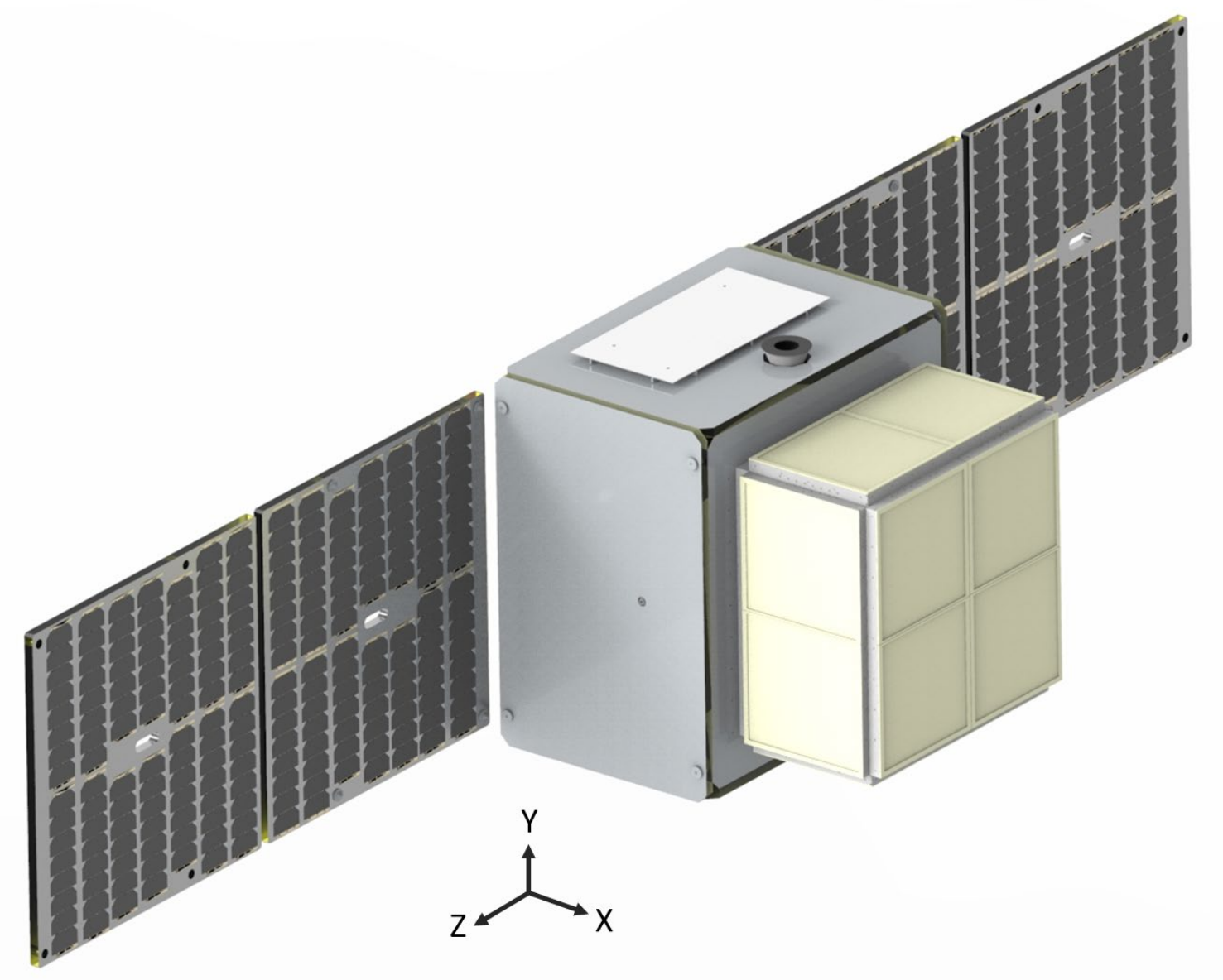
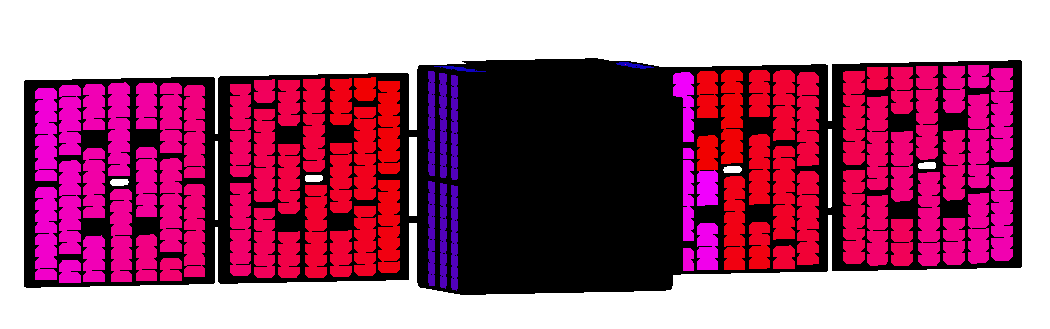
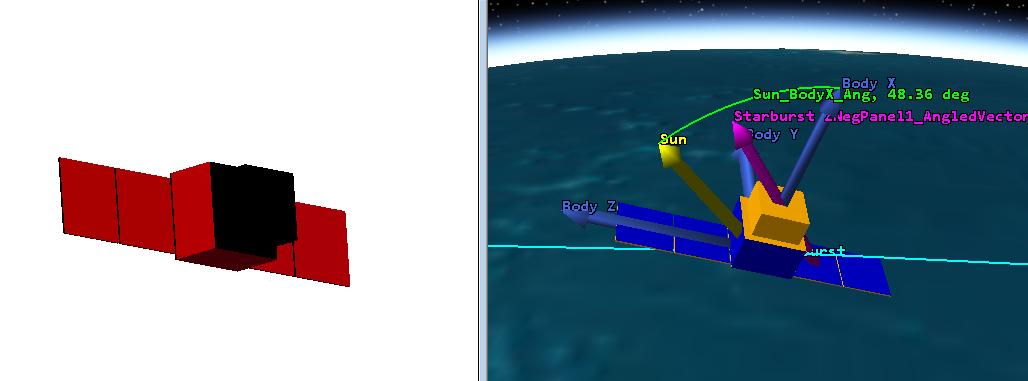
In this chapter, a methodology for automating the power generation analysis of a spacecraft using a model-based approach is discussed. Prior existing power generation analysis tools were examined, resulting in the need to develop a novel method to account for the self-shadowing effects of deployable structures. Automation software was subsequently created for the use of detailed cell-level power generation analysis for the NASA StarBurst mission. The STK and Python software environment was established, which includes or- bital/attitude simulations and 3D model generation. The STK Solar Panel Tool was cross-validated using the simplified CAD model of StarBurst, indicating accurate cell illumination areas generated from STK. A novel string thresholding algorithm was also designed to toggle off specific strings from contributing to the overall spacecraft power generation. This thresholding algorithm is based on the electrical properties of photovoltaic cells attached in series-parallel combinations, and the resulting shadowing effects it has on generated string power. The combined analysis for multiple orbital cases is then demonstrated for the StarBurst mission. The results of this case study have proven the effectiveness of the automated power generation analysis methodology. More appropriately, this provides ADCS and systems engineers the confidence to select numerous attitudes and orbital cases for the study of various spacecraft operational modes and mission design possibilities.
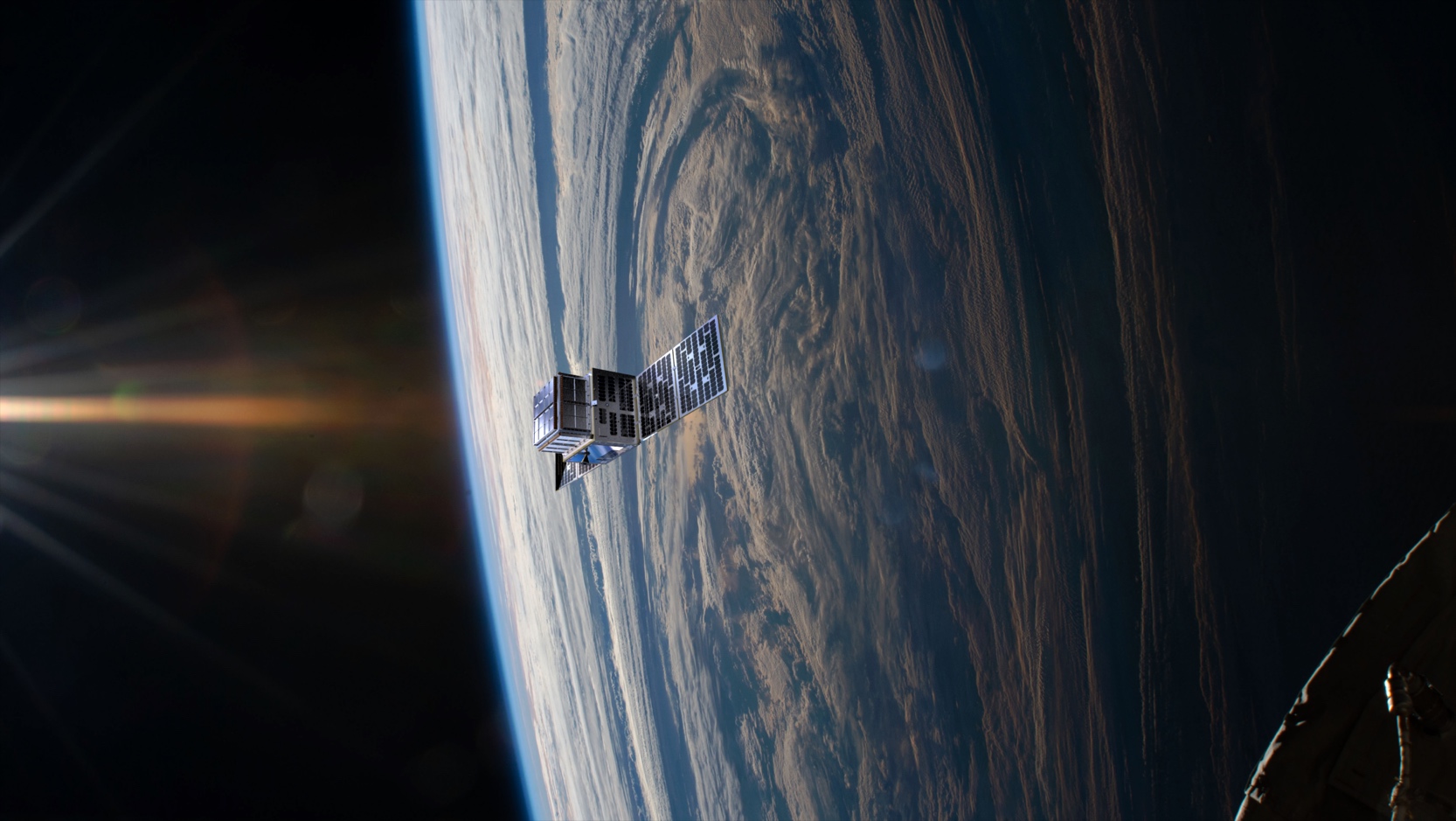
Check out NASA Science’s webpage on MSFC’s Starburst Mission!